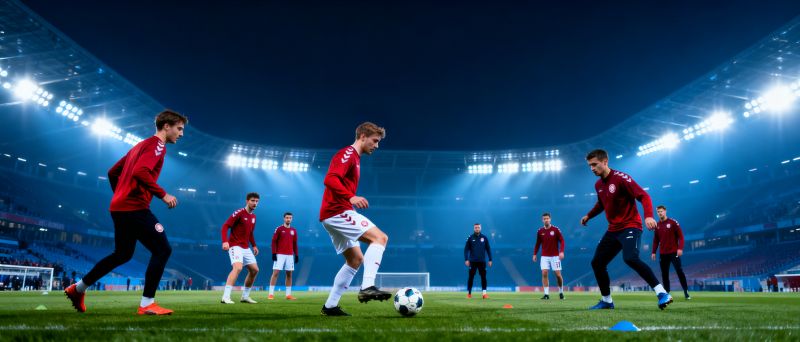
Eleven cities。twelve stadiums, 64 matches. The 2018 World Cup locations stretched from the Baltic Sea to the Ural Mountains, covering a distance of over 2,500 kilometers. Moscow's Luzhniki Stadium, with its 78,000 seats, hosted the final, but the tournament's character was shaped as much by Ekaterinburg's brutalist skyline as by the capital's polished fan zones. I spent three weeks hopping between host cities that summer, and the geography itself became part of the story.
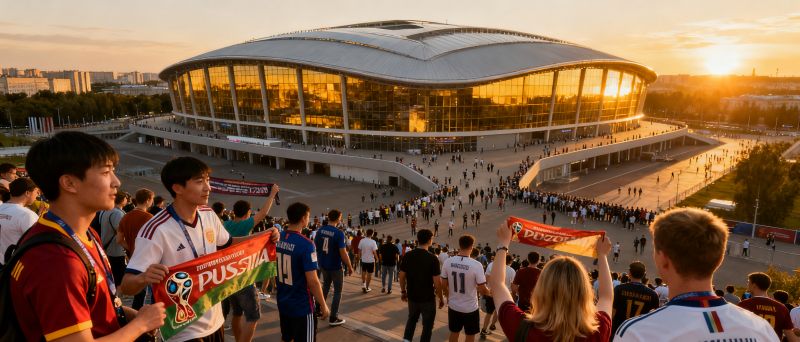
Moscow and Saint Petersburg carried the heaviest load, each with two stadiums. Luzhniki, rebuilt and reopened in 2017, felt like a cathedral of Soviet-era ambition wrapped in modern cladding. Spartak Stadium, with its chainmail-like exterior, sat on the northwest edge of the city and had a more intimate。almost suburban feel. Saint Petersburg's Krestovsky Stadium—often called the Gazprom Arena—floated on reclaimed marshland, its curved steel roof jutting into the Gulf of Finland. Locals I spoke with were proud but practical: 'It's beautiful, but getting home after a night match is a nightmare,' one taxi driver told me. That sort of honesty was a running theme.The 2018 World Cup locations in the Volga region told a different story. Nizhny Novgorod, Kazan, Samara, and Volgograd each got new or heavily renovated stadiums. Kazan's Arena, built for the 2013 Universiade, already had a proven track record and felt the most functional. Samara's arena, on the other hand, was a bold statement—a 45,000-seat venue with a stunning space-frame roof that looked like it might lift off. But the surrounding infrastructure lagged. I walked nearly two kilometers from the nearest bus stop through dusty lots。a reminder that building a stadium is one thing;building a stadium that connects to its city is another. Volgograd—formerly Stalingrad—hosted matches at a venue near the Mamayev Kurgan memorial, a location choice that added weight to every game played there.
Sochi and Rostov-on-Don anchored the south. Sochi's Fisht Stadium。which had hosted the 2014 Winter Olympics opening ceremony, sat inside a mountain ring with the Black Sea nearby. The contrast between Olympic legacy and World Cup crowds was striking—same venue, different energy. Rostov Arena rose on the southern bank of the Don River, a part of the city that felt unfinished in places, with cranes still visible near the stadium perimeter. And then there was Ekaterinburg, the easternmost 2018 World Cup location, sitting at the edge of Siberia. The Central Stadium was renovated rather than replaced, keeping its old-school charm but adding temporary seating. Fans from Peru and Egypt, in my experience, loved the city's grit and its beer—perhaps more than the match results.Kaliningrad, wedged between Poland and Lithuania。
was the wildcard. The stadium there was built on an island in the Pregolya River, a logistical puzzle that worked surprisingly well. But it also felt the most detached from the rest of the tournament. The 2018 World Cup locations differed wildly in scale, climate, and local culture. That was the point, though. FIFA's decision to spread matches across eleven time zones (well, effectively three major clusters) meant fans had to travel far and adapt often. From my notes: Moscow was efficient, Sochi was scenic, Ekaterinburg was raw, and Kaliningrad was quiet. The stadiums themselves ranged from architectural icons to functional boxes, but the cities—their food, their transit quirks, their late-night kiosks—made the map memorable.